Multi-Winner Elections and Representative Bodies
The election systems discussed so far have focused on selecting a single winner. Many real-world elections work this way. Examples of single-winner elections include mayor, governor, team captain, school mascot, or a Best Picture award.
 But many governments and organizations do not select just one representative. Instead, they elect representative bodies made up of multiple members. Examples include city councils, legislatures, parliaments, boards, and committees.
When multiple seats exist, the goals of an election system can change significantly. Instead of focusing on finding one compromise candidate acceptable to the largest number of voters, a representative body introduces additional questions involving what groups, territories, minorities, or coalitions should be represented.
As an example, let’s look at the fictional Wilderlands community:
The Wilderlands
The Wilderlands is divided into four major factions:
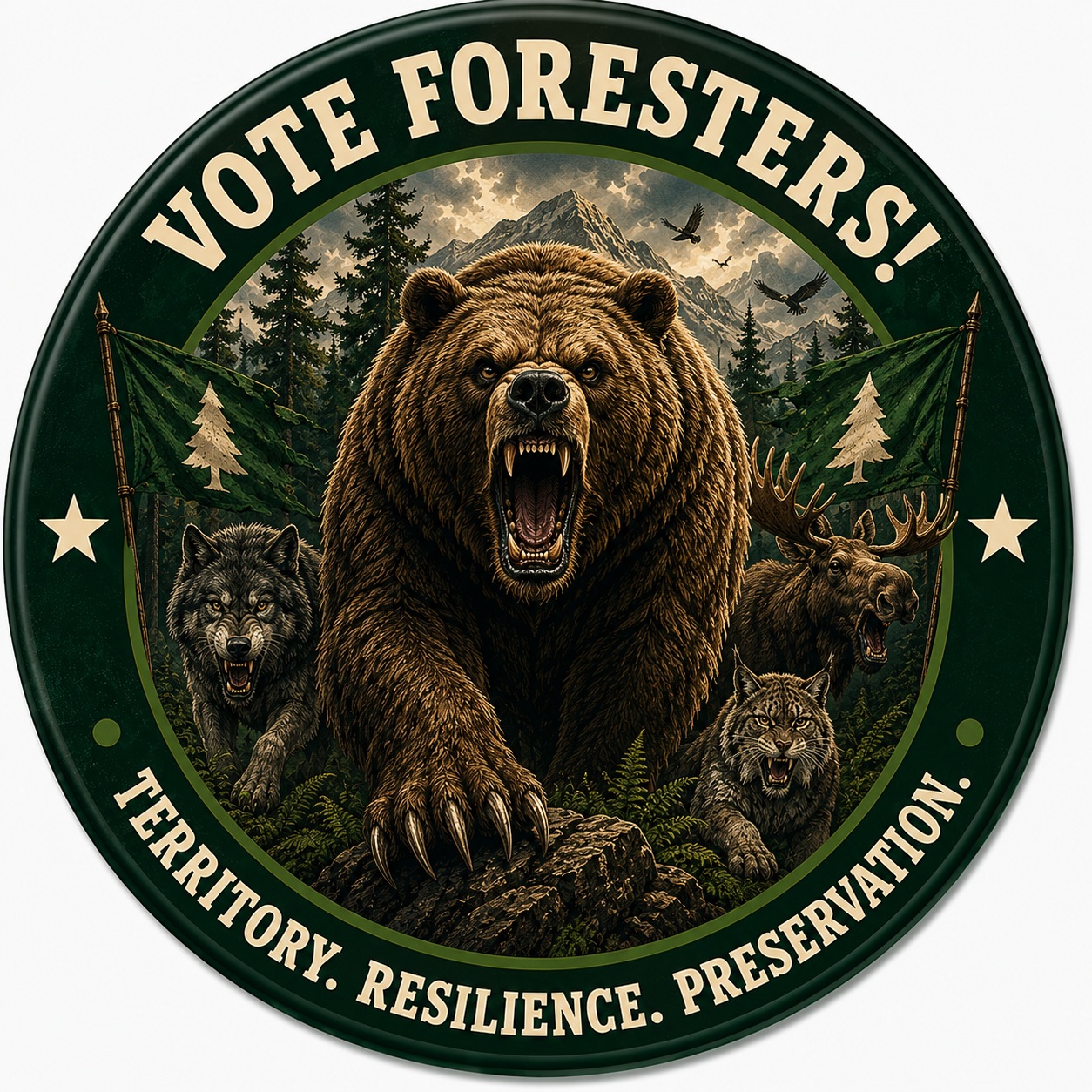
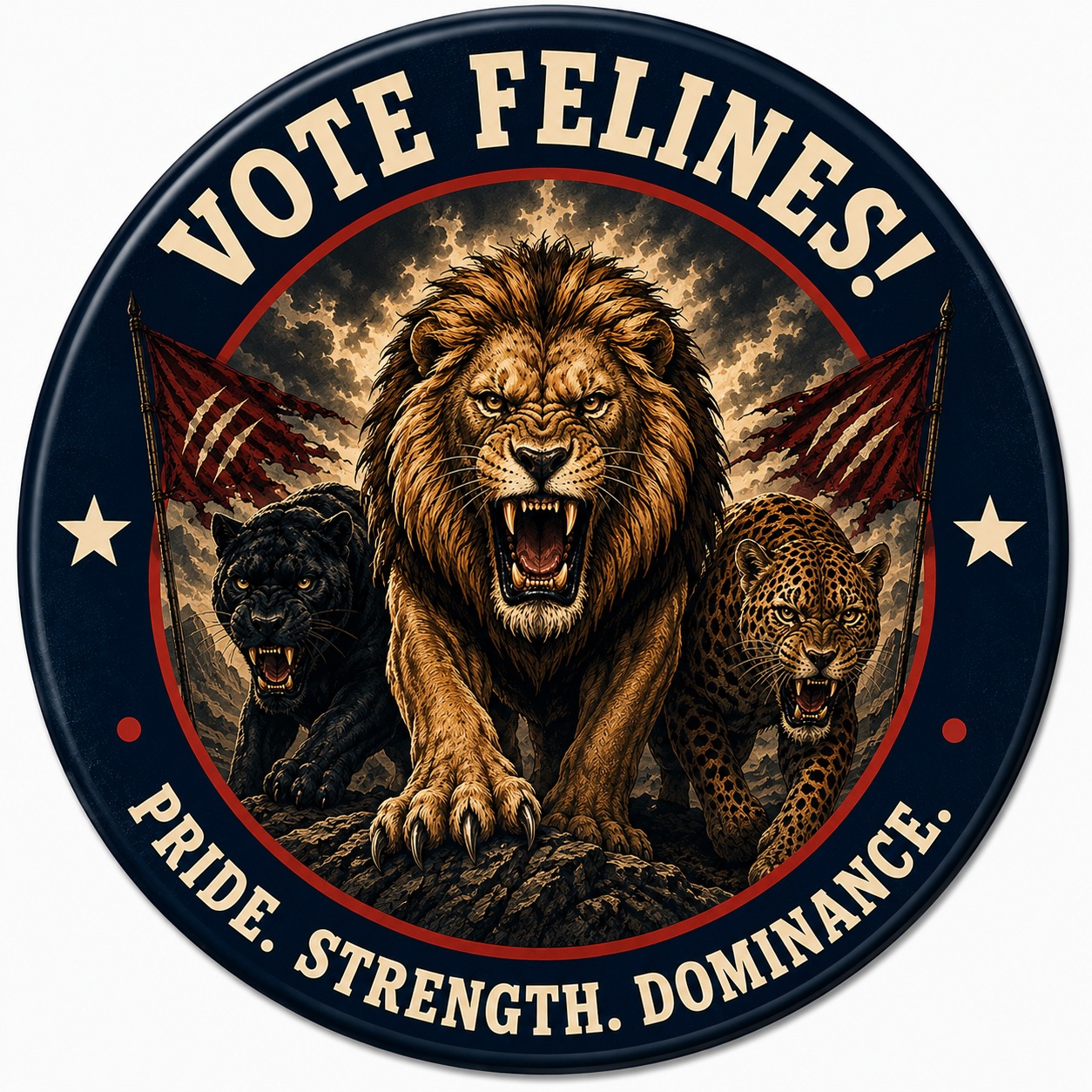


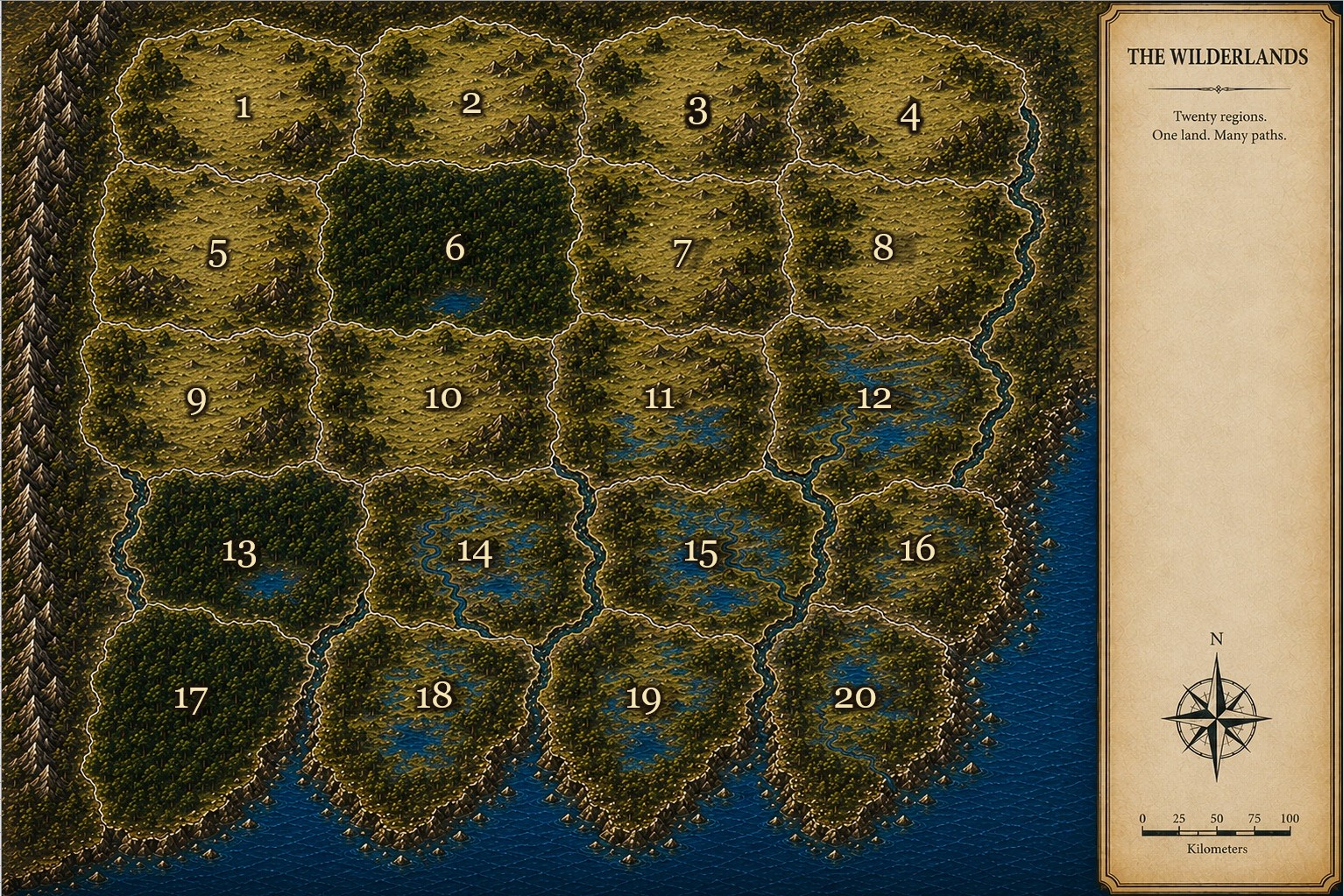
The Wilderlands itself is divided into 20 regions.
The population of 900 Foresters, 800 Felines, 200 Avians, and 100 Mariners are distributed across those regions as follows:
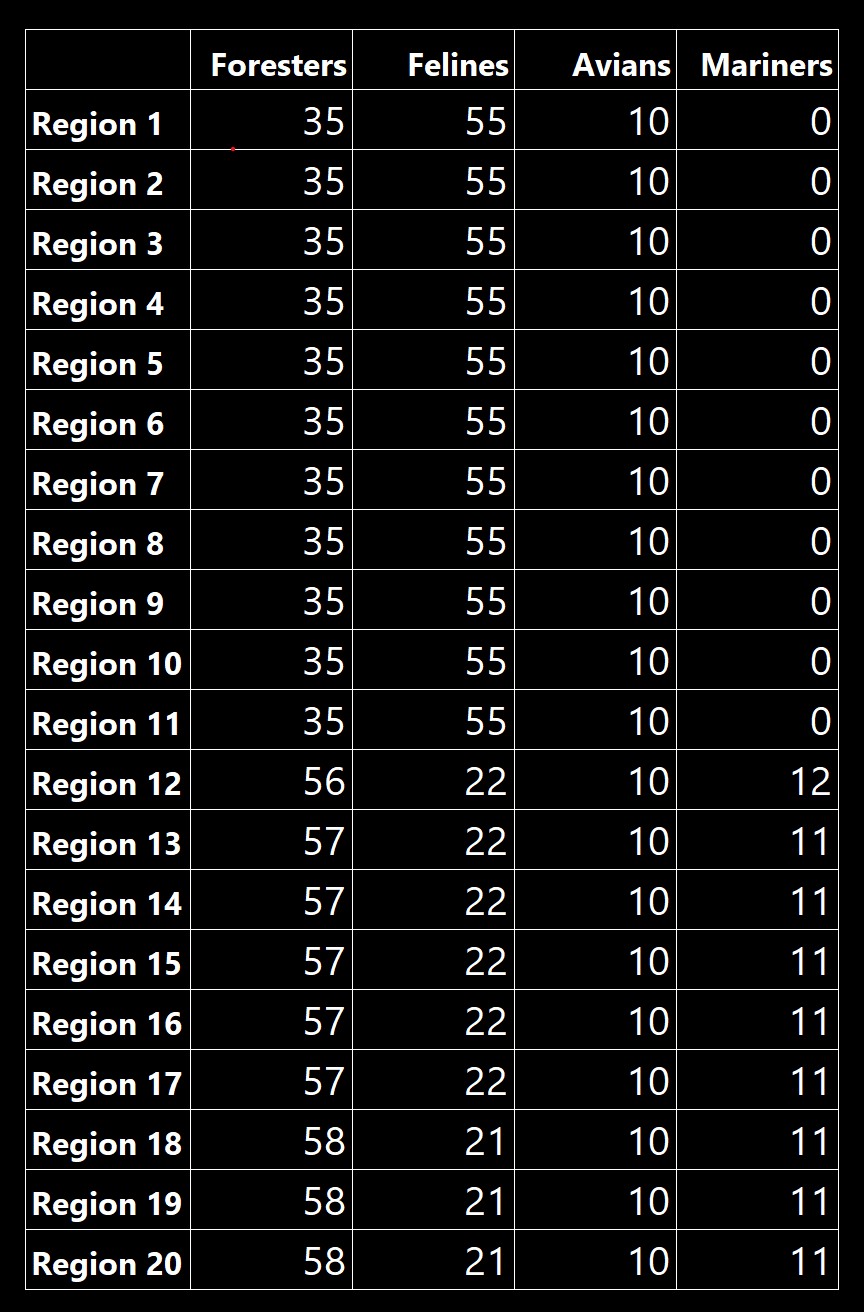
While the Foresters have the largest overall population across the Wilderlands, the Felines dominate 11 northern regions. The Mariners are concentrated near the coast, while the Avians are spread throughout the territory.
Suppose the Wilderlands is governed by a 20-member representative assembly. The way representatives are elected can dramatically affect which groups have control within that assembly.
At-Large Representation
A common approach to electing representative bodies is to have all representatives elected at-large. Under this approach, all voters participate together in electing representatives for the entire assembly. For example, representatives could have 2-year terms, with 10 representatives elected during odd-numbered years and the other 10 elected during even-numbered years.
In this simplified example, each at-large election is treated as winner-take-all. Under this type of system, the Foresters, having the largest overall population, are favored to win every election, so the representation would look like:

The Foresters strongly support this system. They argue that every voter participates equally in the election, and that representatives should reflect the preferences of the entire Wilderlands. Supporters of at-large systems often view this concentration of governing power as a strength rather than a weakness. They may argue that strong governing majorities create more stable governments, clearer mandates, and more efficient decision making. Critics of at-large systems argue that large voting blocs can convert relatively modest population advantages into overwhelming assembly control. Smaller groups may struggle to gain representation even when they make up a meaningful portion of the total population.
Territorial Representation
Another approach to electing representative bodies is to divide the entire region into territories, and hold separate elections in each territory. Under this type of system, the Felines, having majorities in 11 of the 20 territories, would have a majority within the assembly:

The Felines strongly support this system. They argue that each territory deserves direct representation within the assembly. Supporters of territorial representation argue that local regions deserve direct representation, and that representatives should remain connected to the specific communities they serve. Critics argue that territorial systems can heavily amplify geographic clustering and boundary structure. In many cases, a single group may gain long-term control of an assembly despite lacking broad support across the overall population. As a result, territorial systems may produce assemblies that look very different from the population as a whole.
Proportional Representation
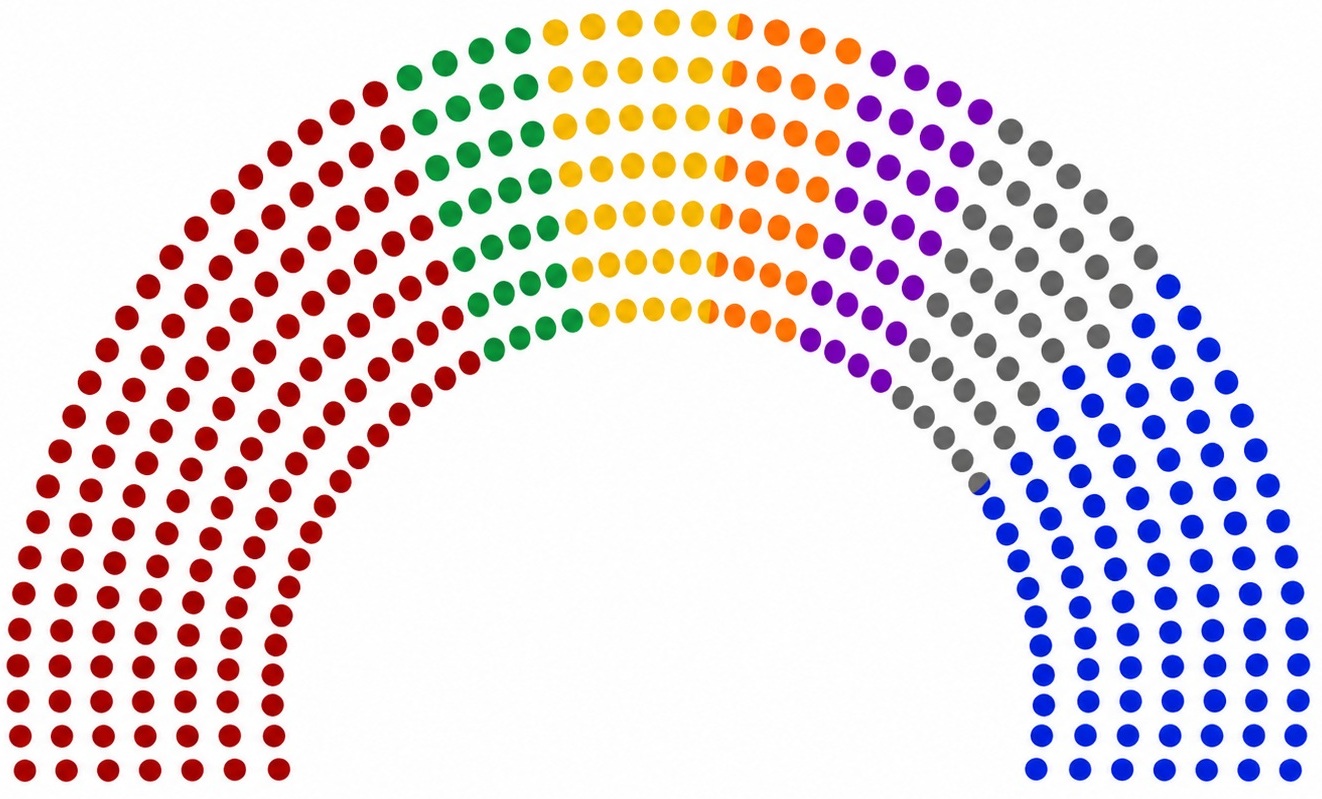
A third approach is to more directly match representation within the assembly to the overall population itself. These systems are referred to as proportional representation systems. In a proportional representation system, the representation would look like:

Smaller groups often support proportional systems because they make it easier for minority groups to gain representation. However, larger groups may oppose proportional systems because they reduce the ability of a single bloc to maintain long-term governing control. Supporters of proportional systems argue that representative bodies should more closely reflect the actual makeup of the population. Critics argue that proportional systems can weaken governing majorities, increase coalition politics, and make governments less stable or more fragmented.
 The next several articles will discuss approaches to proportional representation in greater detail, and then return to methods using Ranked Choice Voting that can achieve proportional representation.
Comments
This site does not manage comment accounts. Comment data is handled by a third-party discussion service.